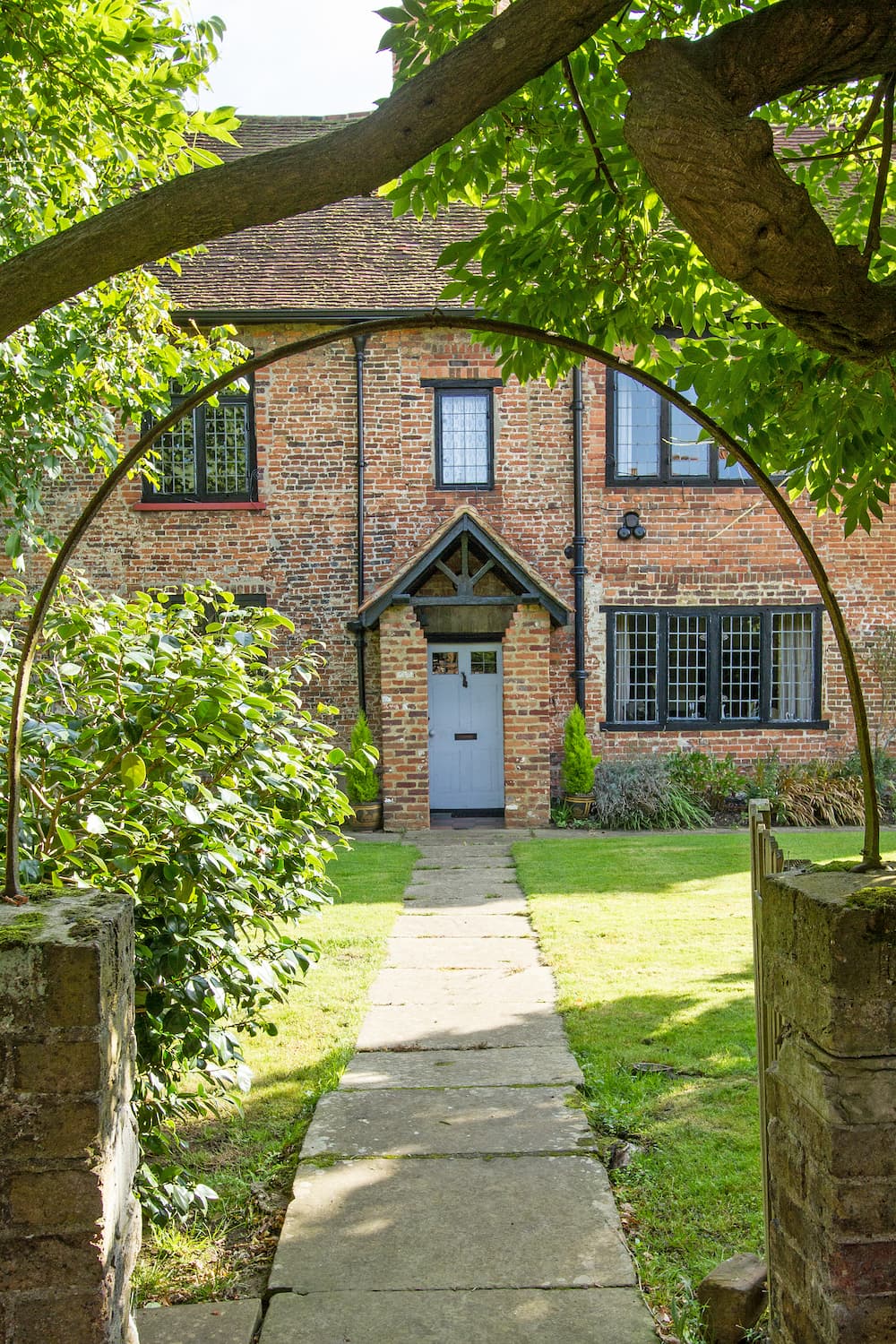
From Georgian townhouses and Victorian cottages to historic farmhouses and converted manor houses, character properties offer something unique and charming. With this in mind, it’s unsurprising that original fireplaces, period features, traditional materials, and distinctive architecture make a rental property particularly appealing to tenants looking for somewhere with personality.
However, renting out a character property comes with some unique responsibilities. Older buildings may require specialist maintenance, listed status can restrict alterations, and landlords need to be able to preserve historic features while providing a safe, comfortable home for tenants.
Understanding the appeal of character properties
For tenants, the attraction of a period home is usually its individuality. Exposed beams, sash windows, original flooring, high ceilings, and traditional fireplaces boast historic charm and craftsmanship that make a rental particularly appealing to many, especially those in the market for premium rental properties.
In addition to character, tenants look for reliable heating, functional kitchens and bathrooms, good insulation, and modern safety standards. A successful character home letting combines the features that make a property special with the everyday comforts people need.
Maintaining period features
Maintenance is one of the biggest considerations for a period property landlord. Traditional buildings may have original timber windows, stonework, historic roofing materials, or older heating systems that need specialist attention.
Rather than waiting for problems to arise, landlords should arrange regular inspections and plan maintenance in advance. Checking roofs, gutters, external walls, windows, and drainage can help identify issues before they become expensive to resolve.
Using the right materials is just as important. For example, traditional buildings may need breathable finishes to manage moisture effectively. The wrong materials can sometimes trap moisture or damage historic fabric, so it’s always worth getting specialist advice before carrying out repairs.
Where possible, retain and repair original features rather than replacing them. This helps to preserve the property’s character and appeal while maintaining a clear record of work completed and any warranties or guarantees.
Letting a listed building: What landlords need to know
A listed building rental may require additional care if the property’s architecture is legally protected. Listed status doesn’t prevent all alterations but works affecting the building’s special character may require listed building consent.
Landlords should establish which permissions are needed before undertaking renovations, replacing windows, altering fireplaces, or making other significant changes. Planning permission may also be required for some works depending on the circumstances.
It’s sensible to consult the local planning authority and, where appropriate, a conservation specialist before proceeding with works. Unauthorised works can have serious consequences, so never assume that a change is permitted without checking first.
For owners considering heritage property rental, understanding the property’s designation and maintenance needs from the start can help you to avoid delays, unexpected costs, and damage to historic features.
Meeting tenant expectations and landlord compliance
Character properties must meet the legal requirements that apply to rented homes. Landlords need to understand their responsibilities when it comes to gas safety, electrical safety, fire precautions, energy performance, and the condition of the property.
The precise requirements depend on the property, tenancy, and applicable legislation. Listed status doesn’t automatically exempt a rental home from safety requirements, although certain exemptions or special provisions may apply in some circumstances.
Energy efficiency can be a challenge in older buildings. Improving insulation, ventilation, and heating performance may help to reduce running costs, but interventions must be appropriate for the building. Check the current rules and any relevant exemptions before planning energy-efficiency work.
Good communication also matters. Explain how original features should be used and cared for, provide clear instructions for heating and ventilation, and give tenants a straightforward way to report maintenance issues. This can help prevent avoidable damage and build a positive landlord-tenant relationship.
Managing period properties and rural lettings
Managing period properties often requires a more tailored approach than looking after a modern home. Specialist tradespeople may be needed for traditional roofing, masonry, joinery, or historic finishes, and repairs may take longer when specific materials need to be sourced.
For rural property lettings, owners should consider access, private drainage, water supplies, heating fuel, and the maintenance of gardens or outbuildings. These practical details can affect both tenant satisfaction and ongoing costs.
A planned maintenance budget helps landlords prepare for routine work as well as unexpected repairs. Keeping records of inspections, certificates, permissions, and completed works makes it easier to manage responsibilities and show that issues are being addressed appropriately.
Maximising value and rental appeal
A distinctive property can be a rewarding long-term asset, and its value depends on architectural charm, condition, location, tenant demand, running costs, and the ongoing management.
Before letting, assess the property, identify essential repairs, confirm the relevant compliance requirements, and decide which improvements will enhance its appeal. Avoid modernising simply for the sake of it and focus on making upgrades that respect the building’s character.
Working with an experienced letting agent can help owners to understand local demand, set realistic rental expectations, and identify the type of tenant most suited to the property.
Get expert advice on renting out a character property
Renting out a character property means combining preservation with practicality. By maintaining original features, planning repairs carefully, and meeting landlord compliance responsibilities, owners can create homes that appeal to tenants while protecting their long-term investment.
At BCM Wilson Hill, we help landlords to navigate the considerations involved in distinctive homes, from period properties to countryside rental homes. If you’re planning to let a character property, seeking specialist advice can help you understand its rental potential and manage the responsibilities that come with ownership. Contact us today to find out more about how we can assist you.