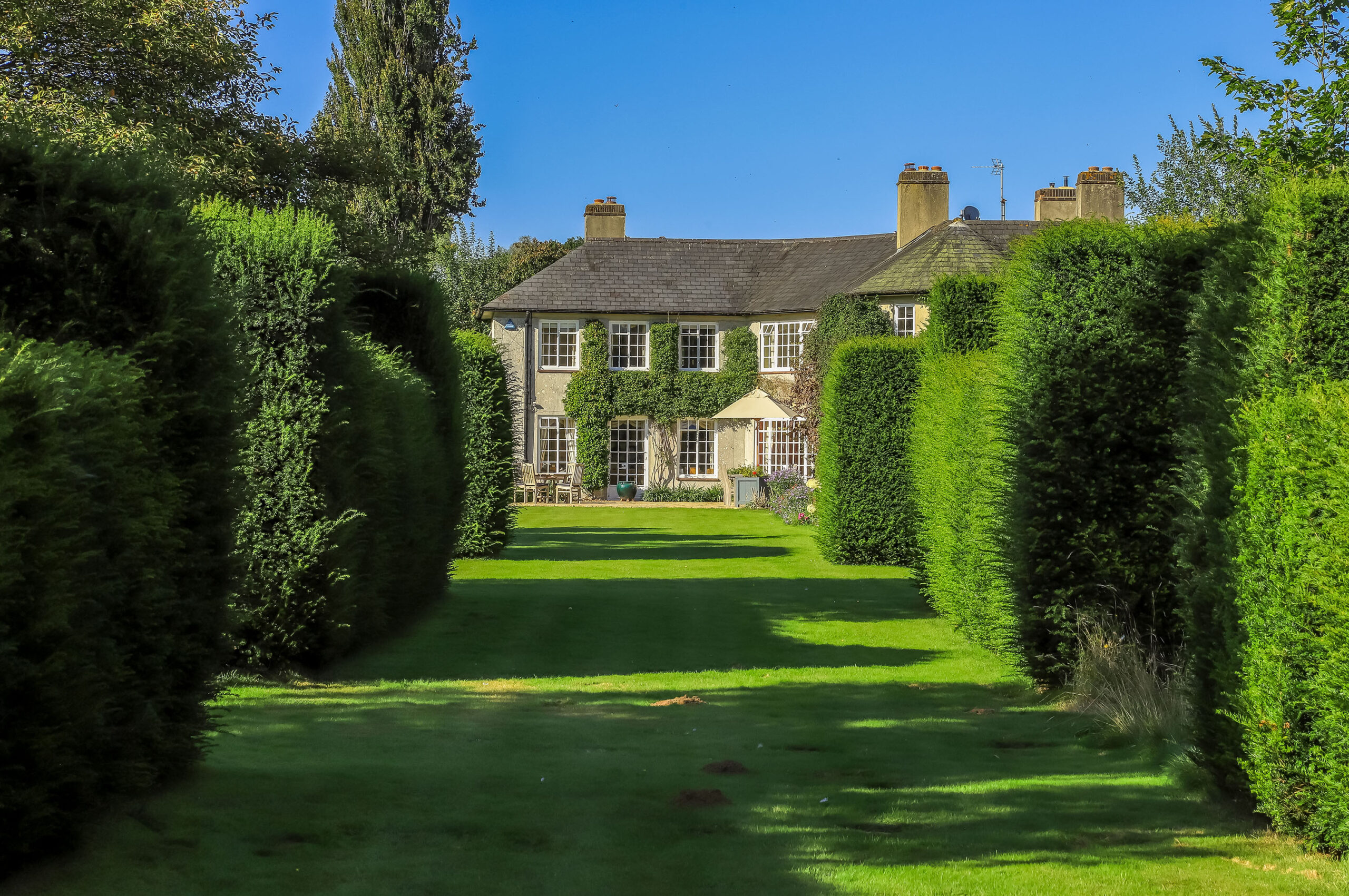
For many buyers, a beautiful main house may be the centrepiece of a country estate, but the surrounding land, outbuildings, income opportunities, and long-term potential can be just as influential when deciding whether a property is right for you.
Whether you’re searching for a private rural retreat, considering rural property investment, or planning to manage a working estate, buying a country estate involves looking beyond the main house. Understanding how each element contributes to the property’s lifestyle appeal, practical use, and future value is essential when making an informed decision.
In this country estate buyers’ guide, we explore the key considerations beyond the main house.
Land, location, and the overall setting
Land is often one of the main features of a country estate. The acreage, landscape, boundaries, and surrounding environment can influence everything from privacy and recreational opportunities to agricultural use and future management costs.
For country house buyers, it’s important to consider how the land will support the lifestyle they’re dreaming of. Open pasture, woodland, parkland, and gardens each offer different possibilities, whether the priority is conservation, farming, shooting, or simply enjoying the countryside.
Location is also important, and access to nearby towns, transport connections, and essential services can affect everyday convenience and future resale appeal. Buyers should also understand rights of way, access arrangements, boundaries, sporting rights, and any restrictions that could affect how the land is used.
Outbuildings and estate infrastructure
Traditional barns, stables, workshops, cottages, and agricultural buildings can add considerable value to a country estate, and their usefulness, condition, and potential for adaptation are often important factors in purchase decisions.
Some buyers need practical storage or working facilities, while others may see opportunities to create offices, commercial sites, leisure spaces, or additional accommodation. However, a building’s potential depends on its condition, planning permission, permitted use, and any relevant heritage or environmental restrictions.
Infrastructure is also an important consideration. Private roads, drainage, water supplies, electricity, broadband, and heating systems can all influence running costs. Older or remote properties may require substantial investment to bring services up to modern standards.
<h2>Income potential and rural property investment
For some buyers, an estate is both a lifestyle purchase and a financial asset. Agricultural tenancies, residential cottages, holiday accommodation, commercial lets, and sporting arrangements may provide income, depending on the property’s characteristics and the relevant permissions.
However, potential income should be assessed realistically. Existing agreements may affect how land and buildings can be used, while maintenance, insurance, staffing, and management costs can reduce potential profit.
Buyers should review tenancy terms, rental income, operating expenses, and any obligations attached to the property. Tax treatment and ownership structures may also influence the overall financial picture, so it’s worth getting specialist professional advice before committing.
Sporting interests and recreational opportunities
For buyers who value countryside activities, an estate may offer opportunities for shooting, fishing, stalking, and other outdoor hobbies. The quality of the land, habitat, wildlife, and access to suitable areas can all influence its appeal.
Existing sporting rights and arrangements should be investigated carefully. Rights may be retained by third parties, granted under separate agreements, or subject to specific restrictions. Buyers should establish what’s included in the sale rather than assuming that ownership of the land automatically provides every associated right.
Equestrian facilities and specialist requirements
For horse owners, equestrian property can offer a combination of space, privacy, and convenience. Stables, paddocks, arenas, horse walkers, tack rooms, and suitable access routes may be essential requirements rather than optional extras.
The quality and layout of these facilities matter. Buyers should consider drainage, fencing, turnout areas, storage, water supplies, and the condition of existing buildings. They should also check whether facilities have the necessary permissions and are suitable for their intended use.
If substantial alterations or new buildings are planned, planning and other regulatory requirements should be investigated early. Specialist advice can help buyers understand the cost of changing a property to meet their needs.
Development opportunities and future value
Development potential can make premium rural property particularly attractive, but it requires careful investigation. Converting agricultural buildings, improving existing accommodation, or creating additional facilities may be possible in some circumstances, but permission is never guaranteed.
Listed buildings, conservation areas, national parks and protected landscapes, ecological constraints, and planning policies can all affect what’s achievable. Buyers should avoid basing their valuation on unapproved proposals or assuming that a building can be converted to residential use.
Long-term asset value also depends on the estate’s condition, land quality, location, income profile, and ongoing management requirements. A property that suits a buyer’s plans today should ideally remain practical and desirable over time.
Getting the right country property advice
Successful estate ownership means understanding the whole property, including its land, buildings, rights, income, liabilities, and potential. Clear priorities help buyers to distinguish between essential features and opportunities that may require further investment.
At BCM Wilson Hill, we understand that country estates are complex assets, where lifestyle ambitions and commercial considerations often overlap. Taking a detailed view of the holding can help buyers ask the right questions, spot potential risks, and make decisions with confidence.
If you’re considering buying a country estate, speaking to a specialist rural property agent can help you assess opportunities and navigate the complexities of your purchase. Contact us today to find out how we can help.