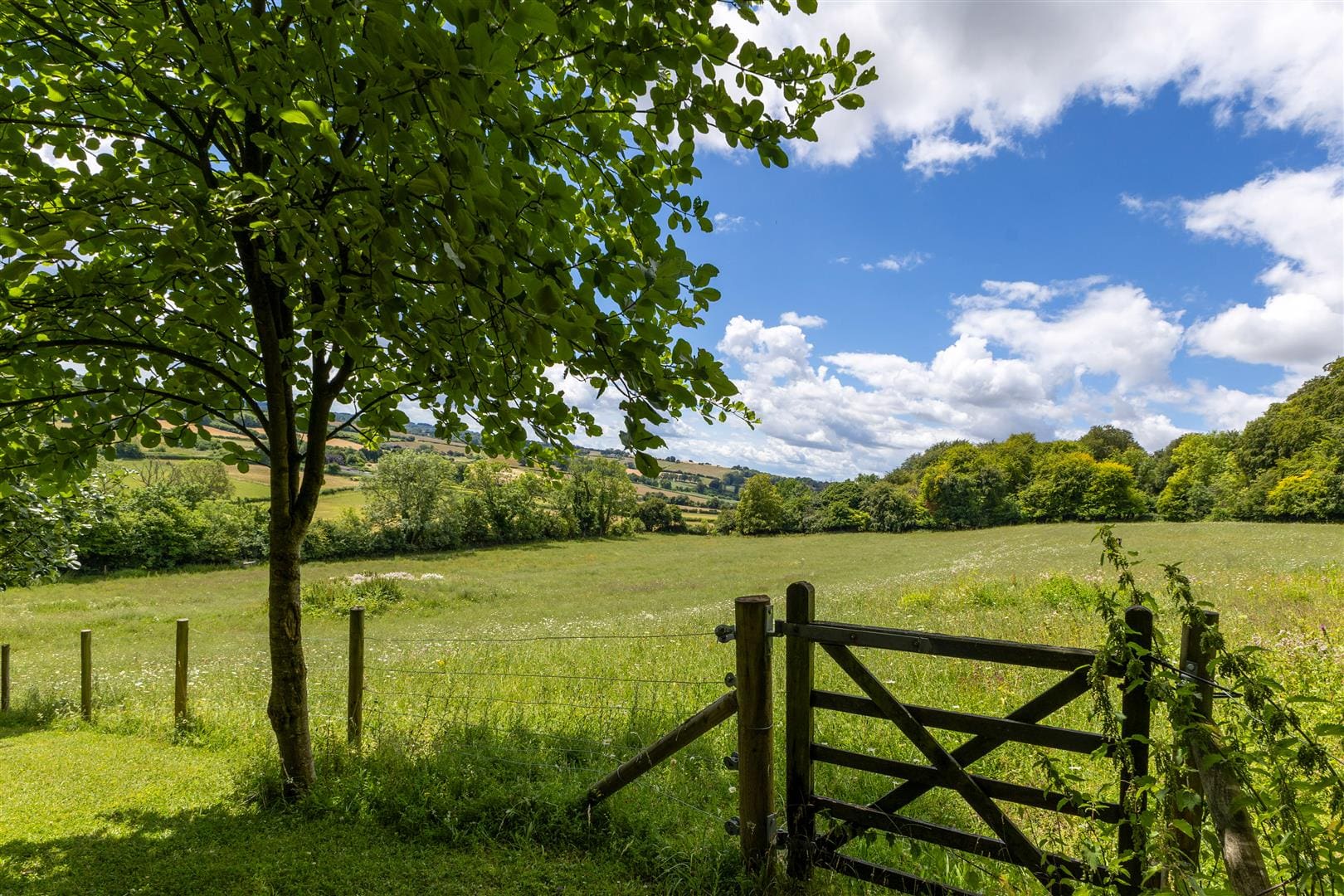
Buying a rural home or piece of land comes with plenty of great advantages. From open countryside and peaceful surroundings to plenty of space, there are lots of reasons why buyers choose country properties. However, rural purchases can also come with issues that aren’t typically found when buying a home in a town or city, such as the rights of way that rural property owners may need to accommodate.
If you’ve spotted a public footpath crossing a field or discovered that a neighbouring property has access over a driveway, it’s important to consider what this means for your purchase. The good news is that rights of way are extremely common throughout the UK, and they usually don’t impact everyday life. The important thing is understanding exactly what they are before you commit to buying.
Key Rights of Way Takeaways for Rural Property Buyers
- Rights of way are common in rural areas and are not usually a cause for concern.
- Public and private rights of way have different legal implications.
- Rights of way can affect privacy, access and future development plans.
- Your solicitor will investigate legal access arrangements during conveyancing.
- Understanding access rights before exchange can help avoid surprises.
What is a Right of Way?
Essentially, a right of way gives someone the legal right to move across land they don’t own.
There are two main categories:
- Public rights of way allow members of the public to use designated routes
- Private rights of way allow specific individuals or neighbouring property owners to cross land for access
Understanding the difference is important, as each type comes with different legal rights and practical implications. While some buyers worry that any right of way is a cause for concern, that’s rarely the case, and many rural properties have had these arrangements for generations without causing significant problems.
Are Rights of Way a Problem When Buying Rural Property?
In most cases, rights of way are not a problem and are a normal feature of rural property ownership. Many countryside homes, farms and parcels of land have long-established access arrangements that have existed for decades. The key is understanding who has the right to use the route, how often it is likely to be used and whether it affects your plans for the property.
What Types of Public Rights of Way Could Affect Rural Property?
There are several different types of public rights of way found across the UK countryside, and understanding exactly which type of route crosses a property helps buyers understand how frequently it may be used.
Public footpaths
A public footpath allows people to walk across designated routes on private land, and these are one of the most common footpaths across land in rural areas. Walkers must stay on the marked route and cannot roam freely across surrounding fields or gardens.
Bridleways
Bridleways can be used by walkers, horse riders, and cyclists, and often connect villages, farms, and wider countryside networks. As more users have access, buyers sometimes notice greater activity than on standard footpaths, particularly during weekends and holidays.
Byways
Byways are less common but can permit access for walkers, cyclists, horse riders and, in some cases, motor vehicles. The level of traffic depends on the specific classification of the route.
What Is a Private Right of Way?
Private rights of way usually benefit neighbouring landowners rather than the general public. For example, a farmhouse may only be accessible via a shared driveway across another property’s land, or a farmer may have permanent access through adjoining fields to reach livestock or agricultural buildings.
When buying land with a right of way, these arrangements are often routine and simply ensure neighbouring properties can continue to have legal access.
In our experience advising buyers across Hampshire, Berkshire, West Sussex and the Isle of Wight, rights of way are one of the most common rural property queries raised during the purchasing process. In most cases they are straightforward, but it’s important to understand exactly what rights are attached to the property before proceeding.
Where Are Rights of Way Commonly Found on Rural Properties?
Rights of way are particularly common on rural properties, as countryside routes often pre-date modern ownership boundaries.
You may find them:
- Crossing fields or paddocks
- Following farm tracks
- Running alongside boundaries
- Passing through woodland
- Using shared driveways
- Providing access to neighbouring farms or homes
Remember that seeing a route on the ground doesn’t necessarily mean it’s legally recorded. Equally, some legal rights of way are rarely used.
Can a Right of Way Affect Privacy?
One of the biggest concerns buyers have when it comes to rights of way is privacy. If a public footpath crosses a large field some distance from the house, you may rarely notice people using it. However, a path running close to the garden could mean occasional walkers passing nearby.
Every property is different, so it’s important to consider:
- How close the route is to the house
- How frequently it’s likely to be used
- Whether natural screening or landscaping provides privacy
- Whether access affects gardens, parking, or outdoor spaces
Many owners quickly get used to occasional walkers passing by, especially where routes are well established and used respectfully.
Do rights of way affect property value?
In most cases, established rights of way do not prevent buyers from purchasing a property, but understanding how they affect privacy, access and future plans remains important.
In many rural locations, rights of way are expected and already reflected in market values. However, the impact depends on factors such as:
- The location of the route
- The amount of public use
- Whether access limits future development
- The overall attractiveness of the property
In some situations, rural property access issues can influence value, particularly if access rights restrict building works or significantly affect privacy. In many other cases, buyers see established rights of way as a part of countryside living.
How Can Buyers Check for Rights of Way Before Purchasing Property?
Be sure to ask about access arrangements early in the buying process. Useful checks include:
- Reviewing the title plan and title register
- Asking the selling agent about any recorded rights of way
- Examining property information forms completed by the seller
- Looking for marked public footpaths during viewings
- Raising questions with your conveyancing solicitor
Your solicitor will investigate legal access rights as part of the conveyancing process, ensuring you understand any obligations before contracts are exchanged. If you’re concerned about a public footpath on private land or shared access arrangements, discussing them early on allows any questions to be answered before you proceed.
Should a Solicitor Check Rights of Way Before You Buy?
Rights of way can seem complicated at first, but they are a well-established part of rural property ownership throughout the UK. Whether you’re purchasing a country cottage, farmland, or a larger rural estate, understanding existing access rights will help you make an informed decision.
An experienced conveyancing solicitor can explain exactly what any registered rights mean, identify potential concerns, and ensure there are no unexpected legal issues affecting your purchase.
Frequently Asked Questions About Rights of Way
Can I block a public footpath on my land?
No. Public rights of way must generally remain accessible unless formally diverted or extinguished through the appropriate legal process.
Do rights of way reduce property value?
Not necessarily. Many rural properties have established rights of way and their impact depends on location, frequency of use and how they affect privacy or future plans.
Can I move a public footpath?
It may be possible in some circumstances, but legal approval is typically required.
Can a right of way affect planning permission?
In some cases, existing rights of way may influence development proposals or site layouts.
Will a right of way show up during conveyancing?
Most legal rights of way are identified during the conveyancing process through title checks, searches and enquiries, helping buyers understand any access arrangements before completing their purchase.
Are rights of way shown on title plans?
Some are, although buyers should also rely on solicitor investigations and official records.
Rural homes often come with unique features, and rights of way are an aspect of countryside living that are important to understand. They usually have very little impact, but it’s always worth knowing who has access, where routes are located, and how they’re legally recorded.
Contact BCM Wilson Hill today to arrange an initial discussion with our friendly team. We’ll provide clear, practical advice and support you every step of the way, so you can move forward knowing exactly what you’re buying.