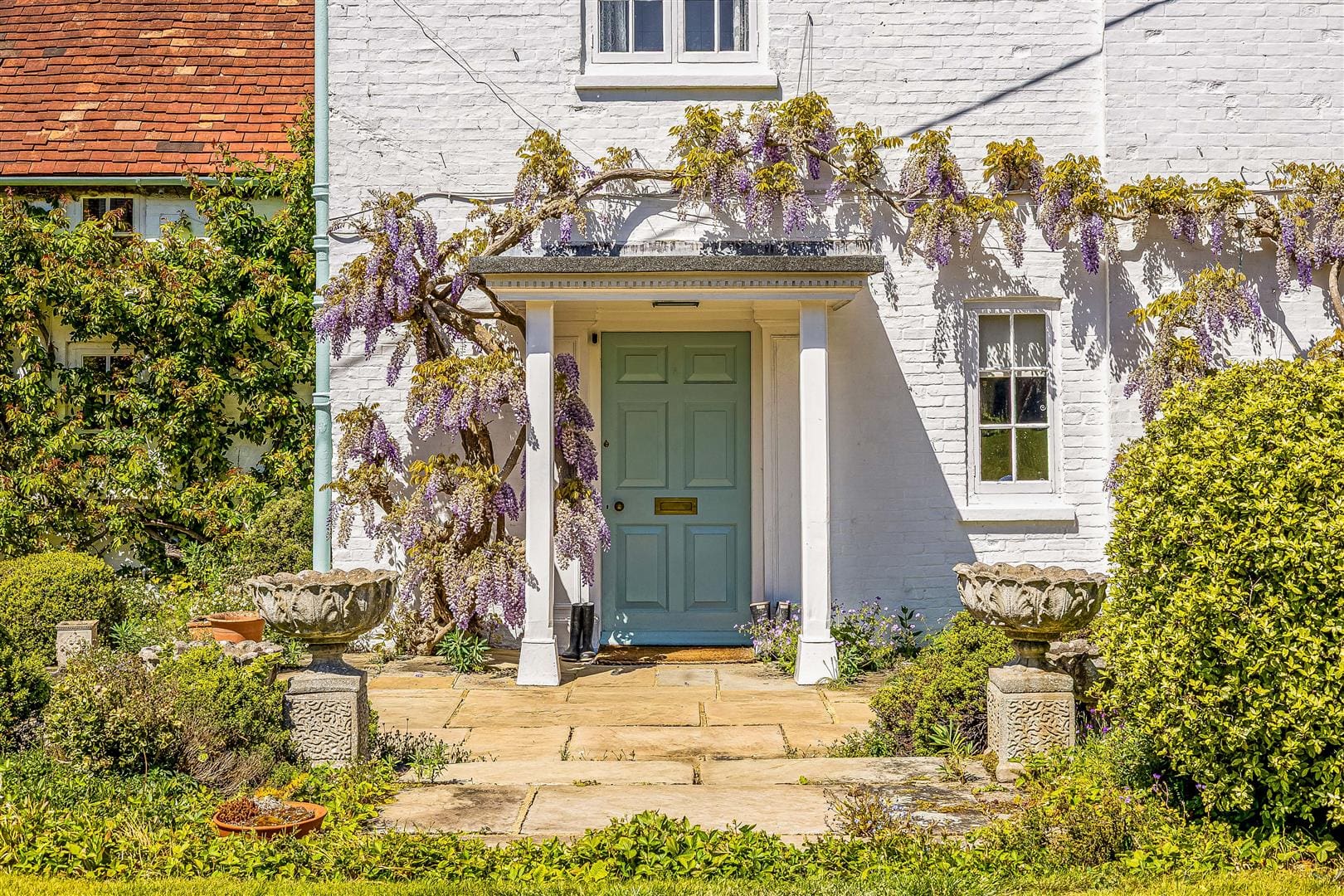
Letting a country property in today’s evolving rental market requires a clear understanding of tenant expectations, legal responsibilities, and changing demand across different regions. Across the South of England, from countryside villages to coastal locations, the rural rental market continues to adapt as tenants prioritise lifestyle, flexibility, and access to outdoor space.
Across Hampshire, the Isle of Wight, Oxfordshire, and the wider South of England, demand for character properties such as cottages, converted barns, and rural homes remains strong. Many tenants are relocating from urban areas, driven by hybrid working patterns and a desire for more space, making well-presented country properties increasingly attractive in 2026.
Whether you’re new to letting a country property or managing an established portfolio, understanding how to price, prepare, and position your property within the current rental market is essential. Working with experienced local letting agents can provide valuable insight into regional trends, tenant behaviour, and compliance requirements, helping landlords maximise both occupancy and long-term returns.
Understanding the 2026 rural rental market across different regions
The Hampshire rental market and its surrounding rural areas are seeing consistent demand from professionals relocating from cities, retirees seeking quieter surroundings, and families looking for larger homes and access to good schools. Hybrid working arrangements are also drawing people towards countryside locations, particularly those that are within commuting distance of London, Portsmouth, Southampton, and Winchester.
This popularity means that well-maintained country homes in desirable villages are often achieving premium rents, especially properties boasting excellent energy efficiency alongside period charm.
Tenants in 2026 are often looking for fast broadband, energy-efficient heating systems, secure parking, and flexible living spaces, so landlords who invest in these features are more likely to attract long-term tenants and reduce costly void periods.
How rental demand varies across rural locations in the South of England
Rental demand for country properties is not consistent across the South of England and can vary significantly depending on location, accessibility, and local amenities. Understanding these regional differences allows landlords to position their property more effectively and set realistic expectations around rental value and tenant demand.
In rural areas within commuting distance of major cities such as Winchester, Southampton, and Oxford, demand is often driven by professionals seeking a balance between countryside living and access to employment hubs. These locations typically attract long-term tenants who prioritise connectivity, reliable transport links, and high-speed broadband.
More remote countryside locations, including parts of Hampshire, the Isle of Wight and West Sussex, may appeal to tenants seeking privacy, land, and lifestyle benefits, but often come with a smaller, more niche rental audience. Properties in these areas can still achieve strong rents, particularly where they offer unique features such as acreage, outbuildings, or period charm.
Coastal markets, particularly on the Isle of Wight, are often influenced by lifestyle factors and seasonal demand. Tenants may be drawn to sea views, access to outdoor activities, and proximity to ferry connections, which can impact both rental demand and tenant profiles.
By recognising how rental demand differs across these types of locations, landlords can better tailor pricing, marketing strategies, and property presentation to attract the right tenants and reduce void periods.
How to set the right rental price for a country property
Accurate pricing is one of the most important aspects of successful country home lettings. Overpricing can leave a property vacant for months, while undervaluing reduces long-term investment returns.
Properties that are priced accurately from the outset are typically more likely to attract consistent early interest, particularly in competitive rural locations where demand can be highly location-specific.
When determining rental value, landlords should consider:
- Local demand
- Property size and condition
- Proximity to transport links and schools
- Broadband connectivity and mobile coverage
- Outbuildings, stables, and additional land
- Energy efficiency ratings
Unlike urban rentals, rural properties often have unique characteristics, which makes direct comparisons difficult. Working with a local letting specialist who understands regional trends across Hampshire, the Isle of Wight, and the South of England can help landlords achieve a competitive, realistic rental figure.
Preparing your country property to meet modern tenant expectations
Presentation is extremely important when letting a country property. Rural tenants are often looking for a combination of traditional character and modern convenience, meaning landlords should aim to preserve original features while ensuring properties meet current standards.
Demand for rural properties that support flexible living has increased significantly in recent years, particularly among tenants relocating from urban environments.
Before marketing a property, landlords should carry out:
- Cosmetic repairs and decoration
- Damp or insulation issues
- Heating system servicing
- Garden and grounds maintenance
- Roof and gutter inspections
- Broadband installation or upgrades
Energy performance is becoming increasingly important in line with the Landlord Guide 2026. Rising utility bills mean tenants are paying close attention to EPC ratings and heating efficiency before committing to a tenancy.
Improvements such as double glazing, upgraded insulation, and efficient boilers can significantly improve tenant appeal while supporting future compliance with changing legislation.
For furnished rural properties, neutral interiors generally achieve the best market appeal. Durable flooring and easy-to-maintain outdoor spaces are also attractive to prospective tenants.
What tenants are looking for in rural properties in 2026
Tenant expectations in the rural rental market have evolved significantly, with many seeking properties that combine traditional character with modern practicality. In 2026, successful country property lettings are often those that strike a balance between lifestyle appeal and everyday functionality.
One of the most important considerations is connectivity. Reliable broadband and mobile coverage are now essential for tenants, particularly those working remotely or splitting their time between home and office environments. Properties that can support home working are often more attractive to a wider range of applicants.
Energy efficiency is also becoming a key factor in decision-making. Rising energy costs mean tenants are increasingly focused on EPC ratings, insulation, and heating systems when comparing rental properties. Well-maintained, energy-efficient homes not only attract more interest but can also encourage longer tenancies.
Outdoor space continues to be highly desirable, especially for families and those relocating from urban areas. Gardens, land, and access to surrounding countryside all add to the appeal of rural properties, particularly when they are easy to maintain.
Other features that can improve tenant demand include:
- Modern kitchens and bathrooms alongside original features
- Secure parking and storage space
- Pet-friendly considerations where appropriate
- Outdoor entertaining areas or usable outbuildings
Ultimately, landlords who understand and respond to these evolving priorities will be better placed to attract high-quality tenants and achieve consistent occupancy.
Navigating legal responsibilities for rural landlords
Regulatory requirements for landlords continue to change in 2026. Rural property owners must ensure they remain compliant with current legislation covering safety, tenancy agreements, and property standards.
Key responsibilities include:
- Annual gas safety inspections
- Electrical Installation Condition Reports (EICR)
- Smoke and carbon monoxide alarms
- Right to Rent checks
- Deposit protection compliance
- Minimum EPC requirements
Country properties come with additional considerations, particularly around septic tanks, private water supplies, oil heating systems, and agricultural access. Landlords should ensure tenancy agreements clearly outline maintenance responsibilities and access arrangements.
Insurance is another consideration. Specialist landlord insurance for rural properties may be required where properties include land, outbuildings, or listed status.
How to maximise rental income from country properties in 2026
Long-term profitability depends on monthly rent, tenant retention, proactive maintenance, and strategic upgrades. To maximise rental income in 2026, landlords should consider:
- Allowing pets where appropriate
- Installing EV charging points
- Offering high-speed broadband
- Improving outdoor entertaining areas
- Providing flexible home office spaces
Professional property management can also deliver value by reducing void periods, handling compliance, and ensuring properties are marketed effectively.
As competition for quality countryside homes continues across Hampshire, the Isle of Wight, and the South of England, landlords who adapt to changing tenant expectations will be best positioned for long-term success.
For those considering country home lettings in 2026, a proactive approach to pricing, presentation, and compliance will help secure reliable tenants and strong rental returns in an increasingly competitive market.
FAQs about letting a country property in the South of England
How do I let a country property in the UK?
Letting a country property typically involves preparing the property to meet current standards, setting an accurate rental price, ensuring compliance with legal requirements, and marketing the property to the right audience. Working with experienced letting agents can help streamline the process and improve outcomes.
What do tenants look for in rural rental properties?
Tenants often prioritise a combination of lifestyle and practicality, including outdoor space, reliable broadband, energy efficiency, and well-maintained interiors. Accessibility to nearby towns and transport links can also influence demand.
How is rental value calculated for rural properties?
Rental value is influenced by location, property condition, size, amenities, and local demand. Unique features such as land, outbuildings, or period character can also impact achievable rent, particularly in desirable countryside areas.
What legal responsibilities do landlords have in 2026?
Landlords must meet a range of legal obligations, including safety checks, deposit protection, and compliance with minimum EPC standards. Additional considerations may apply to rural properties, such as private water supplies or septic systems.
Looking to let your country property?
Successfully letting a country property in 2026 requires a balanced approach, combining accurate pricing, strong presentation, and a clear understanding of tenant expectations across different types of rural locations. From commuter-friendly areas near Winchester and Petersfield to more remote countryside settings around Hampshire and West Sussex, and coastal markets such as the Isle of Wight, each location presents unique opportunities for landlords.
By taking a proactive approach and adapting to changing tenant priorities, landlords can reduce void periods, attract reliable tenants, and achieve consistent rental income. Local knowledge plays a key role in this process, ensuring properties are marketed effectively and aligned with demand in each region.
Whether you own a rural cottage, farmhouse, or country estate, BCM Wilson Hill provides tailored advice and support for landlords across Hampshire, Oxfordshire, West Sussex, the Isle of Wight, and the wider South of England.
Our team offers expert guidance on rental valuations, property preparation, and compliance, helping you navigate the 2026 rental market with confidence and achieve the best possible return from your investment. Contact BCM Wilson Hill today to discuss your property, arrange a rental valuation, or learn more about how we can tailor our services to your goals.