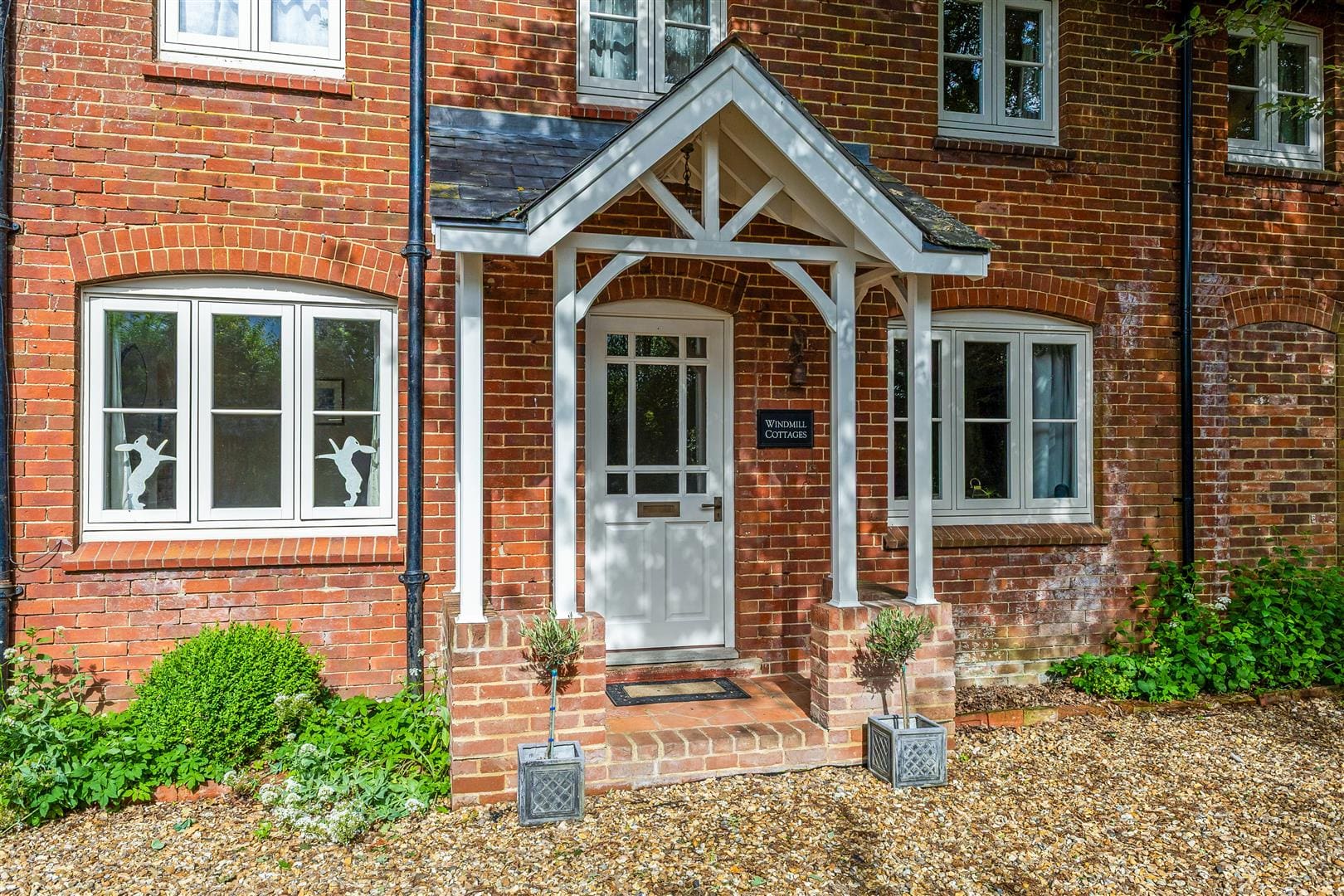
A RICS rural valuation is a formal property valuation carried out by a qualified surveyor, providing a legally recognised assessment of value for farms, estates, and rural land.
If you’ve been buying, selling, managing, or inheriting rural property, you may have come across the term “RICS valuation”. However, it’s not always clear what a Royal Institution of Chartered Surveyors (RICS) valuation is or why it’s needed.
Whether you’re dealing with farmland, a country house, an estate, or development land, understanding how RICS rural valuations work can help you to make informed decisions and avoid costly mistakes.
In this guide, we explain what a RICS valuation is, when you might need one, and why valuing rural property is often far more complex than valuing a typical residential home.
What is a RICS valuation?
A RICS valuation is a professional property valuation carried out by a qualified surveyor who is regulated by the Royal Institution of Chartered Surveyors (RICS).
RICS sets strict standards for how valuations are conducted, helping to ensure that the process is independent, objective, and consistent. A valuation prepared by a RICS Registered Valuer provides an informed opinion of a property’s market value based on evidence, expertise, and professional judgement.
Unlike informal estimates, a RICS valuation is a formal document that can be relied upon by lenders, solicitors, accountants, HMRC, and other professional bodies.
When might you need a RICS valuation?
There are many situations where a RICS valuation may be required.
Selling a property
Before putting a farm, estate, country house, or land on the market, a valuation can help establish a realistic asking price based on current market conditions.
Tax planning and probate
Valuations are often required for inheritance tax, capital gains tax, probate, and estate planning purposes. In these situations, an accurate, professional valuation is essential.
Securing finance
Banks and lenders frequently require a RICS valuation when considering loans secured against rural property, farmland, or development land.
Family and partnership matters
Valuations can also be required during partnership changes, succession planning, divorce settlements, or ownership disputes where an independent assessment of value is needed.
Strategic decision-making
Landowners may seek valuations to understand the value of their assets before making decisions about development opportunities, diversification projects, or long-term estate management.
Why is rural property valuation more complex?
Many people assume that rural property valuations work in the same way as valuing a suburban house. However, rural property valuations carried out by RICS registered surveyor are often far more complex.
A standard residential property may have dozens of comparable sales nearby, making it relatively straightforward to assess market value, but no two farms, estates, or country houses are exactly alike. The size of the landholding, quality of buildings, income potential, planning opportunities, and location can all have a major impact on value.
This means that professional knowledge and local market expertise are particularly important when carrying out valuations for farms and estates.
Key factors affecting rural valuation:
- Land quality
- Access
- Planning potential
- Rights/restrictions
- Location
What factors affect rural property valuation?
Every property is different, but several main factors commonly affect rural valuations.
Land quality
For agricultural land, soil quality, drainage, productivity, cropping potential, and farming capability can all influence value.
Access
Good access can significantly improve a property’s attractiveness and usability. Private roads and rights of access can all affect the final valuation.
Planning potential
Land with development potential often has a higher value than land restricted to agricultural use. Existing planning permissions and future development prospects are important considerations.
Rights and restrictions
Public rights of way, sporting rights, grazing agreements, restrictive covenants, and environmental designations can all influence rural property value.
Buildings and infrastructure
The condition of farm buildings, cottages, equestrian facilities, storage units, and other infrastructure will be assessed.
Location
As with all property, location remains a major factor. Proximity to transport links, desirable villages, schools, and employment opportunities can all affect demand.
Estate agent appraisal vs RICS valuation
It can be easy to confuse an estate agent’s market appraisal with a formal RICS valuation, but they are different in several ways.
An estate agent appraisal is typically provided to help determine a likely marketing price if you’re considering selling a property. It reflects current market conditions and buyer demand but isn’t a formal valuation.
A RICS valuation is an independent professional assessment carried out according to recognised industry standards. It’s supported by evidence, methodology, and professional accountability.
While both have value, a RICS valuation carries greater authority and can be used for legal, financial, taxation, and lending purposes.
Why professional rural valuations matter
For landowners, farmers, estate owners, and buyers, a professional property valuation provides confidence when making important decisions. It helps ensure that assets are correctly valued, negotiations are based on reliable information, and financial planning is built on solid foundations.
In the rural property market, where values can be influenced by a wide range of factors, specialist knowledge is particularly important.
Frequently Asked Questions About Rural RICS Valuations
What is a rural RICS valuation?
A rural RICS valuation is a formal property valuation carried out by a RICS Registered Valuer, specifically for farms, estates, land, and rural property. It provides an independent and evidence-based assessment of market value that can be used for legal, financial, and taxation purposes.
How much does a rural RICS valuation cost?
The cost of a rural RICS valuation can vary depending on the size, complexity, and location of the property. Larger estates, farms, or land with development potential may require more detailed analysis, which can increase the cost. It’s best to request a tailored quote based on your specific property.
How long does a RICS valuation take?
A RICS valuation typically takes anywhere from a week to a few months, depending on the complexity of the property and the purpose of the valuation. More detailed rural valuations may take longer due to the need for research, inspection, and analysis.
When do I need a rural property valuation?
You may need a rural property valuation when selling land or property, securing finance, handling probate, planning for inheritance tax, resolving disputes, or making strategic estate management decisions.
Is a RICS valuation required for probate?
For probate and inheritance tax purposes, a professional valuation is often required to establish the accurate market value of a property at the date of death. A RICS valuation provides the level of detail and credibility needed for HMRC and legal processes.
What is the difference between a RICS valuation and an estate agent appraisal?
A RICS valuation is an independent, formal report prepared to regulated professional standards and can be used for legal and financial purposes. An estate agent appraisal is an informal estimate of likely sale price based on current market conditions.
What affects the value of rural property?
Several factors influence rural property values, including land quality, access, location, planning potential, rights and restrictions, and the condition of buildings and infrastructure.
Can land with planning permission increase in value?
Yes, land with planning permission or development potential is often more valuable than agricultural land alone. The extent of the uplift depends on the type of permission, location, and market demand.
Expert rural valuation advice
At BCM Wilson Hill, we understand the complexities of rural property valuation. From country houses and agricultural land to estates and development opportunities, our experienced team provides professional, independent valuation advice tailored to each property.
Whether you require a valuation for sale, taxation, lending, estate planning, or strategic decision-making, we can help you navigate the process with confidence. Contact us today to find out more.